

 See My Latest Article on HelloNation
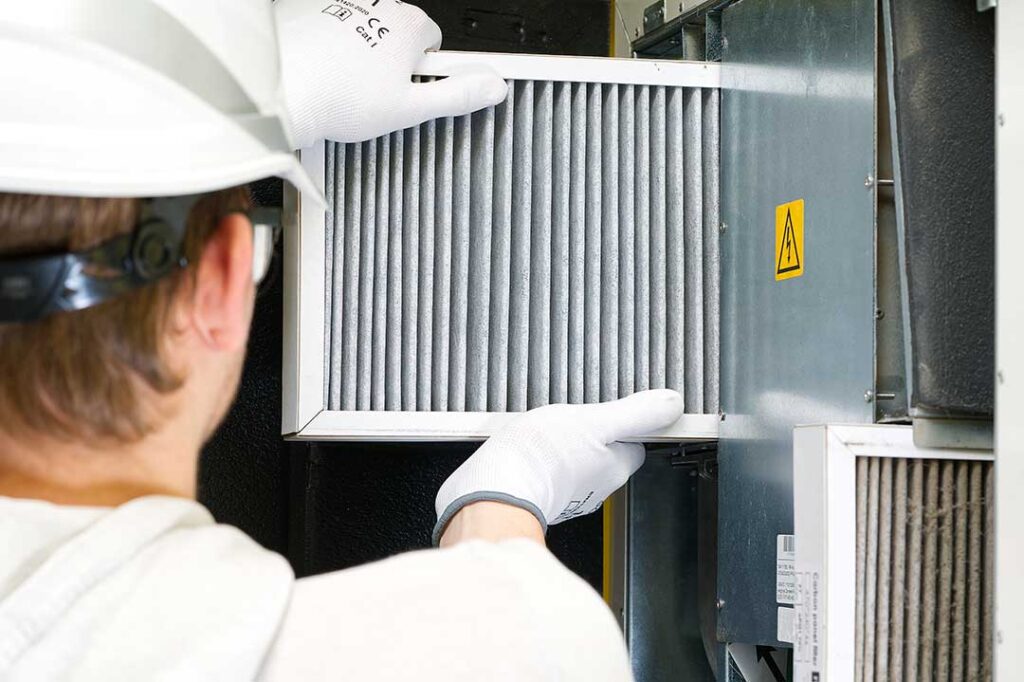
Indoor allergens can enter a home through open doors, clothing, pets, outdoor air leaks, and the HVAC system itself. In Danbury, CT, seasonal pollen, humid summers, wintertime dust, and homes with basements or forced-air heating can all affect indoor air quality.
A heating and cooling system cannot remove every allergen, but thoughtful maintenance and proper airflow can reduce the amount of dust, pollen, mold spores, and pet dander circulating indoors.
Which allergens can an HVAC system help control?
An HVAC system can help capture airborne particles when air passes through a clean, properly fitted filter. Depending on the equipment and filter type, this may include:
- Pollen from trees, grasses, and weeds
- Household dust and dust mite debris
- Pet dander
- Mold spores
- Fibers and small particles released by fabrics or furnishings
HVAC filtration is less effective against allergens that have already settled on carpets, bedding, furniture, or hard surfaces. It also does not replace cleaning, moisture control, or source reduction.
The system’s main role is to keep indoor air moving through an appropriate filter while avoiding conditions that allow dust or moisture to accumulate inside the equipment or ductwork.
How often should an HVAC filter be changed?
For many homes, checking the filter every month and replacing it about every one to three months is a reasonable starting point. The correct interval depends on the filter, the equipment, the home, and the occupants.
A filter may need more frequent replacement if the household includes:
- Someone with asthma or significant allergies
- Several pets
- Construction or remodeling activity
- A wood-burning appliance
- A home with frequent door or window opening
- More occupants than usual
- A system that runs for long periods during hot or cold weather
A visibly gray or loaded filter should be replaced rather than left in place until the planned date. A clogged filter restricts airflow, which can reduce comfort, increase system strain, and allow some air to bypass the filter through gaps around the frame.
Use the filter size and type specified for the equipment. A filter with a higher efficiency rating is not automatically better if the system was not designed to handle the added resistance. Poor airflow can cause uneven temperatures, longer run times, and problems with heating or cooling performance.
Does a higher-rated filter always improve indoor air quality?
No. Filter performance depends on both particle capture and airflow. A high-efficiency filter that does not fit correctly, becomes overloaded quickly, or creates excessive resistance may perform poorly in the actual system.
A properly installed filter should sit securely in its slot with the airflow arrow pointing in the correct direction. Gaps around the filter can allow unfiltered air to move around it.
For households managing allergies, a moderate-to-high efficiency filter may be useful when the equipment can accommodate it. The filter should still be inspected regularly, especially during heavy pollen seasons and periods of continuous heating or cooling.
Can duct cleaning reduce allergens?
Duct cleaning may help when ducts contain substantial amounts of loose dust, visible debris, pest residue, or evidence of moisture damage. It is not necessary simply because a home has ductwork, and routine cleaning does not guarantee relief from allergies.
The condition of the ducts matters more than their age. Warning signs that deserve attention include:
- Dust or debris blowing from supply registers
- Visible mold-like growth inside duct surfaces
- Water damage or persistent dampness
- Rodent or insect activity
- Strong odors that return whenever the system operates
- Duct sections that are disconnected or poorly sealed
Duct interiors should not be wet or visibly contaminated. If mold-like growth or pest contamination is present, the underlying moisture or entry problem needs to be addressed rather than merely covered or treated with fragrance.
How does humidity affect allergens?
Humidity control is a major part of allergy management. High indoor humidity can support mold growth and create favorable conditions for dust mites. Low humidity can irritate the nose, throat, skin, and eyes, making allergy symptoms feel worse even when allergen levels are unchanged.
During humid summer weather, use air conditioning and ventilation appropriately, and monitor areas that tend to stay damp, such as basements, bathrooms, laundry areas, and spaces near condensate equipment. A portable or whole-home dehumidifier may be useful when indoor humidity remains high.
During the heating season, very dry air can cause discomfort. Adding moisture should be done carefully because excessive humidification can create condensation on windows, walls, or duct surfaces. A simple indoor humidity monitor can help identify whether conditions are too dry or too damp.
The exact target varies with the home and season, but avoiding persistently damp indoor conditions is more important than pursuing a particular number.
What HVAC maintenance helps reduce allergen circulation?

Routine maintenance supports clean airflow and helps identify moisture or mechanical problems before they spread contaminants. Useful tasks include checking:
- Air filters and filter housings
- Return-air grilles and supply registers
- Evaporator coil areas and condensate drains
- Outdoor equipment for blocked airflow
- Duct connections and insulation
- Unusual odors, noise, or reduced airflow
Return grilles often collect dust because they pull air from living spaces. Vacuuming the grille surface and nearby floor or wall area can reduce the amount of debris entering the system.
Supply registers can also accumulate dust, especially in homes with pets or nearby carpeting. They may be removed and cleaned periodically, provided the system is turned off and the registers can be reinstalled securely.
Should the HVAC fan run continuously?
Continuous fan operation can increase filtration because more air passes through the filter. However, it can also stir up settled dust, increase filter loading, and circulate air through a system that has a dirty filter or damp components.
For many households, the automatic fan setting is a practical balance because the blower operates during heating or cooling cycles rather than running constantly. A continuous setting may be useful in some systems, but its effect depends on duct cleanliness, filter condition, equipment design, and indoor humidity.
If running the fan continuously causes dusty odors, worsening irritation, or noticeable humidity changes, return to the automatic setting and evaluate the underlying issue.
What other household habits support cleaner HVAC air?
HVAC filtration works better when fewer allergens are introduced or allowed to settle indoors. Helpful habits include:
- Remove shoes near the entry area during high-pollen periods.
- Wash bedding regularly using appropriate water temperature and drying practices.
- Vacuum carpets and upholstery with equipment that limits particle release.
- Keep pets away from supply and return registers.
- Repair plumbing leaks and dry wet materials promptly.
- Use exhaust fans during bathing and cooking.
- Keep windows closed when outdoor pollen levels are high.
- Clean visible dust from horizontal surfaces before it is drawn into return-air grilles.
Homes with attached garages, unfinished basements, or older duct systems may also benefit from checking for air leakage, damp materials, and stored items that shed dust. Reducing those sources can be as valuable as changing the filter.
When is an HVAC problem more than an allergy problem?
Persistent musty odors, visible moisture, repeated condensate overflow, unusual dust after system operation, or sudden indoor-air changes may indicate an equipment, duct, or building issue. These conditions should not be ignored, particularly if anyone in the home has asthma or other respiratory sensitivities.
HVAC improvements can reduce airborne particles, but ongoing symptoms may also result from bedding, cleaning products, tobacco smoke, pests, outdoor air intrusion, or a medical condition. Allergy symptoms that are severe, persistent, or accompanied by breathing difficulty should be discussed with a qualified healthcare provider.