

 See My Latest Article on HelloNation
What Is a Heat Pump?
A heat pump is a heating and cooling system that moves heat from one place to another instead of generating heat by burning fuel or using electric resistance. For area households, this means a single system can provide both warmth in winter and cooling relief in summer. Heat pumps are becoming more common in the community due to their efficiency and adaptability, especially in homes that want to reduce reliance on fossil fuels.
How Does a Heat Pump Work?
The central principle behind a heat pump is heat transfer. In heating mode, a heat pump draws heat from the outdoor air (even when it feels cold) and moves it inside. In cooling mode, the process is reversed: it extracts heat from the indoor air and releases it outside. The technology is similar to how a refrigerator keeps food cold, although applied to whole-house comfort.
The basic components include:
- An outdoor unit with a coil and fan
- An indoor unit with another coil and blower
- Refrigerant lines connecting the two units
- A compressor that circulates the refrigerant
The refrigerant absorbs heat as it evaporates in one coil and releases it as it condenses in the other, allowing energy-efficient heat transfer in either direction.
Can Heat Pumps Handle Local Winters?
Heat pumps used to be assumed insufficient for colder climates, but modern models (especially cold-climate heat pumps) perform reliably in the areas winters. Advanced designs extract usable heat from outdoor air well below freezing, making them a practical option even during a stretch of January temperatures in the 20s. Backup heating, such as electric resistance strips or integration with an existing furnace, is sometimes used during extreme cold snaps, but it is not always necessary for every home.
What Types of Heat Pumps Exist?
Several types of heat pumps can be found in local homes. The main distinctions are:
- Air-source heat pumps: Most common for existing homes. These move heat between indoor and outdoor air.
- Ground-source (geothermal) heat pumps: Use the earth’s constant temperature below the surface for higher efficiency but require more space and a larger initial investment.
- Ductless mini-split systems: Suitable for homes without ductwork or for supplemental comfort in individual rooms.
Air-source models are most commonly installed in the city due to the typical housing stock and climate. Ductless units are popular for additions or older houses without central duct systems.
What Are the Main Advantages for Area Residents?
For many homes, the draw of a heat pump includes:
- Efficient year-round comfort—heating in winter, cooling in summer
- Reduced energy use compared to electric baseboard heat or older fossil-fuel furnaces
- Lower greenhouse gas emissions (especially when paired with renewable electricity)
- Consistent, quiet operation
- Often improved indoor air quality due to built-in filtration
These systems can be particularly appealing for households looking to upgrade from window ACs or aging heating equipment.
Are There Unique Considerations for the City?
Heat pumps are well-suited for the region’s moderate-to-cold winters and hot, humid summers. Homes in the community may have certain characteristics that affect installation and performance:
- Housing styles: Many local homes have attics, basements, or existing ductwork, which provide options for installation.
- Space constraints: Compact lots might make ground-source systems challenging, but air-source units fit most settings.
- Energy costs and incentives: Local utility rates, along with state programs, may influence a homeowner’s decision.
Additionally, winter ice and snow buildup around outdoor units is a relevant concern. Proper installation places the unit on a raised platform, and regular upkeep ensures that airflow is not blocked.
How Does a Heat Pump Differ From a Traditional Furnace or AC?
Unlike a furnace, which creates heat (typically by burning oil or gas), a heat pump simply moves heat. In summer, the cooling cycle is very similar to a standard air conditioner’s process—removing indoor heat and releasing it outdoors. The main differences are:
- Versatility: A single system does both heating and cooling
- Efficiency: Modern models use less energy for every unit of heating produced, especially in milder weather
- No combustion: Eliminates risks of carbon monoxide from fuel-burning
Residents sometimes assume heat pumps require special ductwork or only work for new construction. In reality, most homes can be retrofitted, and ductless options exist for houses without central systems.
What Maintenance Do Heat Pumps Require?
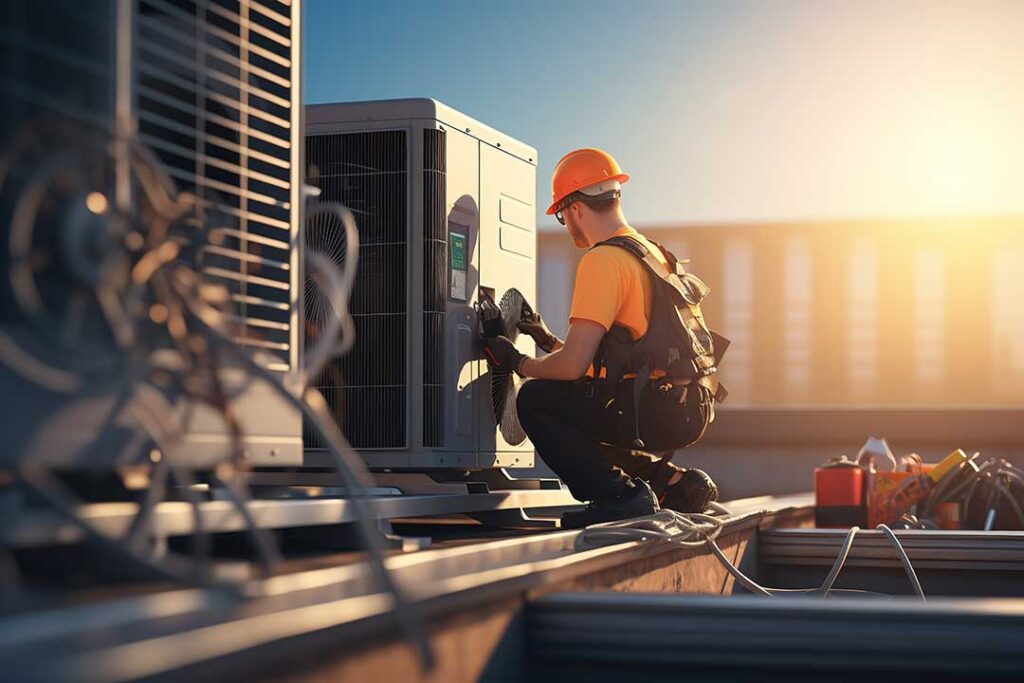
A heat pump needs similar care as a central AC or furnace—routine filter changes, occasional cleaning of indoor/outdoor coils, and periodic professional checkups. The outdoor unit should be kept clear of leaves and snow to allow for proper airflow, especially after a winter storm. Preventive maintenance can help local households get the best longevity and efficiency from their system.
What Are Common Misconceptions?
Some residents worry a heat pump cannot provide sufficient heat on the coldest nights. With recent technology improvements, today's systems reliably deliver warmth even on days well below freezing. Others may think installation is highly disruptive or impossible in older homes, when in fact, both ducted and ductless designs are adaptable for most situations in the city’s housing stock.
Is a Heat Pump a Good Fit for Every Home?
Heat pumps work well for a wide range of houses and lifestyles, but not every building is an ideal candidate. Factors such as current insulation, existing heating systems, and household size play a role. Those in drafty or poorly insulated homes may need weatherization for best results. Residents interested in maximizing the efficiency of their home’s temperature control often weigh upgrades to air sealing and insulation alongside the decision to install a heat pump.