

 See My Latest Article on HelloNation
What Factors Affect Indoor Air Quality in Danbury, CT Homes?
Most indoor air quality concerns for Danbury homeowners stem from common local challenges like weather-driven heating and cooling cycles, tightly sealed buildings, and natural allergens. In short, indoor air can contain invisible pollutants such as dust, pollen, pet dander, mold spores, chemical vapors, and cooking byproducts, all of which affect how healthy and comfortable a home feels.
Danbury experiences all four seasons, and area residents often keep windows closed for much of the year—first for heating, then for air conditioning. This can trap air inside and allow pollutants to build up if not managed. Moisture is another local consideration, as humid summers and dry, forced-air winters each introduce unique air quality concerns.
How Can Ventilation Help—And What’s Realistic for Danbury Households?
Good ventilation means bringing in fresh outdoor air to dilute indoor pollutants. In the city, simply leaving windows open isn't always practical due to weather, pollen, and energy loss. However, it’s still possible to improve air exchange without driving up energy costs or letting humid or chilly outdoor air overwhelm the home.
Small daily actions can help:
- Crack open windows for short periods during mild weather, especially when cooking or showering.
- Use bathroom and kitchen exhaust fans while and after these rooms are in use. This quickly removes moisture and cooking gases.
- If a home has a mechanical ventilation system (like an energy recovery ventilator), maintain and operate it according to manufacturer guidelines.
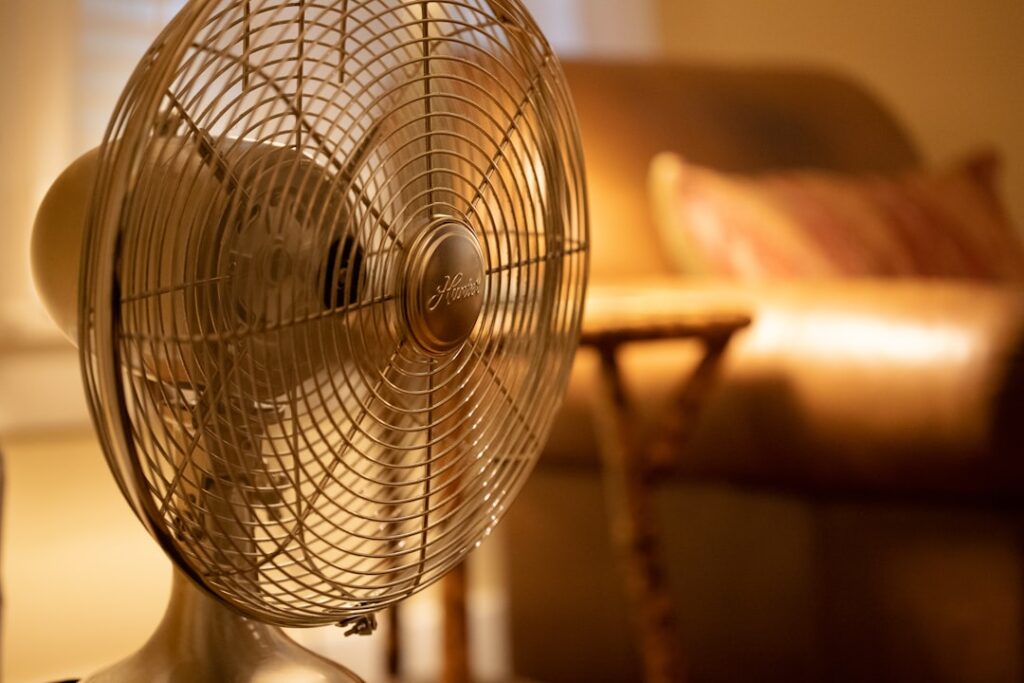
For homes with forced-air heating and cooling, periodic use of fan mode can circulate air, but this doesn’t add fresh outdoor air unless a system is specifically designed to do so.
Are Air Purifiers Effective for Local Conditions?
Portable air purifiers with HEPA filters can help, especially in bedrooms, nurseries, or living areas. They're particularly useful during high pollen seasons or if a household has pets. However, air purifiers have limits—they can't remove gases or heavy moisture.
Residents often ask if running an air purifier all day is necessary. In practice, short bursts during high-use periods (evenings, allergy season, or after cleaning) can provide the bulk of the benefits, so long as filters are replaced according to instructions.
A common misconception is that whole-house HVAC filters serve the same purpose as a standalone purifier. In reality, standard furnace or AC filters are primarily designed to protect equipment, not to clean air for breathing comfort. Upgrading to a higher Minimum Efficiency Reporting Value (MERV) filter may help, but area residents should check with system manuals—high-MERV filters can restrict airflow on some units.
How Does Regular Cleaning Support Healthier Air?
Routine cleaning is fundamental, especially during seasons when windows remain closed. Dust and allergens collect in fabrics, carpets, and on hard surfaces, and these get stirred up whenever people move around.
Practical cleaning tips for the city’s typical homes:
- Vacuum using a model with a HEPA filter, especially in carpeted rooms
- Wash bedding weekly in hot water
- Dust with damp cloths to trap particles rather than spreading them
- Clean or replace HVAC and window air conditioner filters as recommended
Don’t forget seldom-cleaned areas: ceiling fans, air vents, and the space under furniture are frequent dust reservoirs.
What Are Signs of Excess Moisture or Mold at Home?
Moisture is a unique concern in the area, especially throughout spring and summer. Basements, older homes, and spaces near rivers or wooded areas are particularly vulnerable. Signs of poor humidity management include musty odors, visible mold spots (often in bathrooms or basements), and condensation on windows in winter.
Simple ways to control moisture:
- Use dehumidifiers in finished basements or anywhere humidity feels high
- Run kitchen and bathroom exhaust fans after steamy activities
- Address leaky pipes or roof issues promptly
- Ensure clothes dryers vent outdoors
Humid air can also encourage dust mites, which are a frequent allergy trigger. Aim for indoor humidity levels between 30% and 50% year-round.
Are Scented Candles, Air Fresheners, and Cleaning Products a Problem?
Many residents of Danbury don’t realize that scented products, even some labeled “green” or “natural,” can emit chemicals known as volatile organic compounds (VOCs). While these smells might mask odors, they often add to the air’s chemical load.

Safer habits include:
- Opening windows briefly after using strong cleaners or paints
- Choosing fragrance-free or low-VOC products
- Storing paints, solvents, and pesticides outside the main living space, tightly sealed
For those sensitive to fragrances, consider using natural odor control methods like baking soda, open containers of vinegar, or simply improved ventilation.
How Can Heating and Cooling Practices Support Better Air?
Heating and cooling systems run for much of the year in Danbury, so their operation and maintenance impact indoor air. Forced-air systems can distribute not just warmth or cooling, but also dust and allergens.
Helpful practices include:
- Changing HVAC filters as frequently as system manuals recommend (often every 1-3 months during heavy use)
- Scheduling regular system checks to prevent dusty or moldy buildup in ducts
- Avoiding the use of window and portable AC units with dirty filters, as these can harbor mold
During milder days, residents may rely on open windows and fans, but during long stretches of closed-window weather, persistent filtration and attention to humidity are key.
What About Local Allergens and Outdoor Air Events?
Pollen peaks, wildfire smoke from distant regions, and other outdoor air events can occasionally impact Danbury. In high pollen seasons (typically spring and early summer), keeping windows closed and rinsing off after spending time outdoors can minimize allergens brought into the house.
The city is not immune to occasional air advisories, such as smoke events or ozone alerts. During these times:
- Keep windows and doors closed
- Run central air or purifiers on recirculate mode
- Place wet towels at door thresholds to limit outdoor air seepage, if needed
These situations are usually temporary, but preparedness makes it easier to protect indoor comfort.