

 See My Latest Article on HelloNation
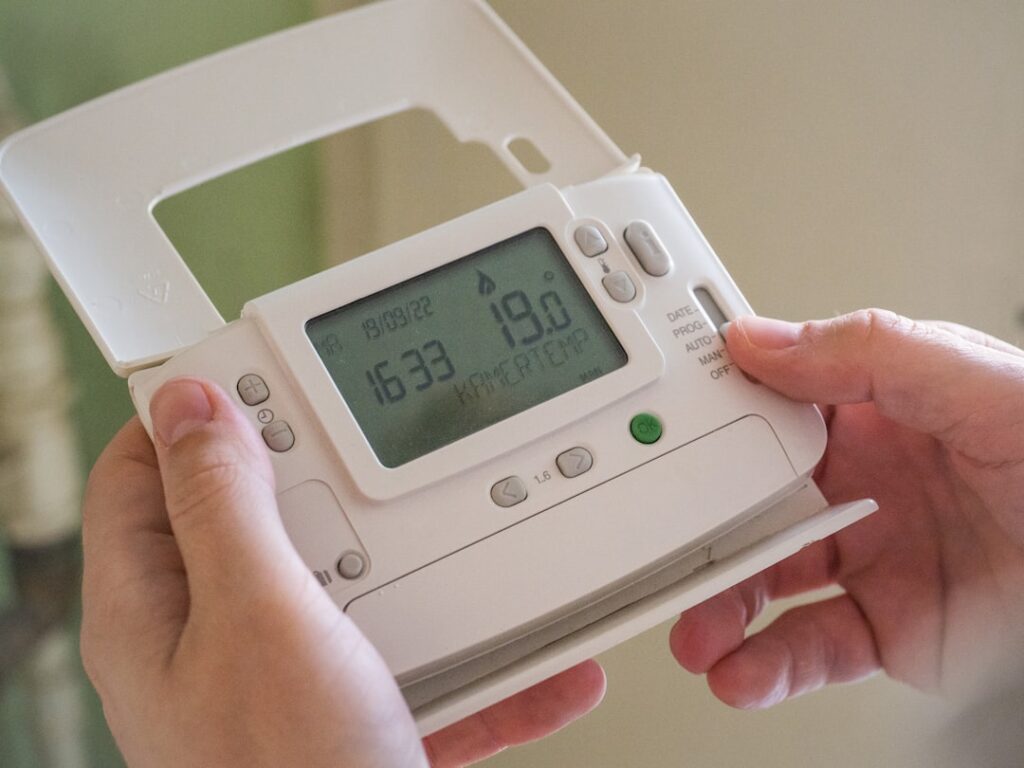
What Are the Ideal Thermostat Settings for Summer in Danbury, CT?
Most residents in Danbury, CT find that setting their thermostats to around 78°F during summer provides the right mix of comfort and energy savings. This temperature is recommended by energy experts as a balance point where air conditioning works efficiently without overtaxing your system or raising utility bills unnecessarily.
While 78°F is a broadly effective starting point, households with elderly residents, young children, or chronic health issues may opt for a slightly cooler room, such as 76°F. Raising the thermostat setting even higher—by a few degrees—when the house is empty during the day can further reduce cooling costs. Programmable and smart thermostats allow scheduled adjustments to fit patterns of when people are home and awake.
A common misconception is that setting the thermostat much lower than needed cools a house faster. In reality, air conditioners work at the same rate regardless of the setting; lower settings simply use more energy and can result in unnecessary wear.
How Should Danbury Households Adjust Thermostats in Winter?
For winter, keeping your thermostat around 68°F during active hours and lowering it overnight or when away helps residents of Danbury maintain warmth without excessive heating expenses. This range reflects the comfort needs of most local homes, which often include colonial or cape-style houses that retain heat relatively well but may have draft-prone windows or doors.
Many families lower the setting by about 6-8 degrees at night or whenever a home is unoccupied. At night, extra blankets or warm sleepwear keep comfort high while reducing heating system use. Turning the temperature back up in the morning—especially with the help of a programmable thermostat—means the house is warm by the time everyone wakes.
Extreme drops below 60°F, however, are not recommended, as this can risk frozen pipes in particularly cold parts of homes or during severe cold snaps, which Danbury sometimes experiences.
What Local Climate Factors Should Residents Consider?
Danbury’s climate includes humid summers and moderately cold winters, with occasional subzero nights. Homes here often experience both humid muggy stretches in July and long-running cold snaps from January into February.
Specific considerations for the area include:
- Humidity: Summer humidity levels can make the same air temperature feel hotter. Air conditioning systems both cool and dehumidify. If the air feels clammy, consider using a dehumidifier to boost comfort without lowering the thermostat excessively.
- Insulation and Drafts: Many older homes in Danbury may not have modern insulation. Sealing windows and doors, using thermal curtains, and regular maintenance can help keep an indoor temperature stable and allow for more moderate thermostat settings.
- Power Outages and Safety: Severe storms, both summer and winter, occasionally disrupt power. At these times, maintain safety by dressing appropriately and avoiding rapid thermostat changes that strain HVAC systems when power returns.
Do Smart and Programmable Thermostats Make a Difference in the Area?
Smart and programmable thermostats offer significant advantages for Danbury households, especially given local weather swings. They help automate temperature changes based on your routines and shifting outside conditions.
For example:
- Schedule a higher cooling setting during daytime hours in summer if the home is empty, and lower it just before the first person arrives home.
- Set the heat to lower at bedtime and automatically rise before morning routines in winter, maximizing comfort only when it’s needed.
Some local residents worry about changing settings too often. Modern thermostats are designed for flexibility—frequent, planned adjustments do not harm most newer systems, and they can help extend equipment lifespan by reducing overall run time.
What Are Some Common Misconceptions About Thermostat Use?
One of the most frequent misconceptions in the area is that extreme thermostat adjustments—turning the air down to 65°F in summer, or up to 75°F in winter—are necessary for comfort. Instead, small, gradual changes are usually more effective and prevent system overwork.
Another misconception is that leaving the thermostat at one setting all season is “easier on the system.” In reality, adapting settings to match home occupancy and outside weather keeps energy use in check and often preserves equipment quality.

Additionally, residents may believe ceiling fans only help in summer. Fans set on low, running clockwise in winter, can gently push warm air back down to where people are, making lower thermostat settings feel just as cozy.
How Can Personal Preferences and Household Factors Shape Decision-Making?
Every household has different comfort needs, especially in a community as diverse as Danbury. Consider:
- Health needs, such as for persons sensitive to temperature swings or with respiratory conditions.
- The presence of pets, which can alter the ideal setting (many animals are comfortable at slightly lower temperatures than people).
- Room-by-room differences: Some older homes may have warmer or cooler spots. Supplementing with room fans, space heaters, or portable AC can help balance things without resorting to expensive whole-house changes.
For new residents unfamiliar with the climate, monitoring how often the system cycles and how comfortable everyone feels at varying settings can help fine-tune your approach over time.
What Practical Steps Can Underscore Comfort Besides Adjusting the Thermostat?
Beyond thermostat settings, several strategies help Danbury households feel comfortable year-round:
- Use blinds or thermal curtains to block out direct sun during the hottest hours in summer and retain heat in winter.
- Weather-strip doors and windows to prevent unwanted air exchange.
- Dress appropriately: lightweight, breathable layers in summer; heavier, insulating clothing indoors in winter.
- Utilize ceiling and box fans in the summer to supplement cooling; switch blades to clockwise in winter for more even heat distribution.
- Encourage family discussions to settle on a temperature range that balances comfort and budget.
Thoughtful, locally informed thermostat use—combined with practical home habits—goes a long way in keeping Danbury homes comfortable throughout the year’s weather extremes.