

 See My Latest Article on HelloNation
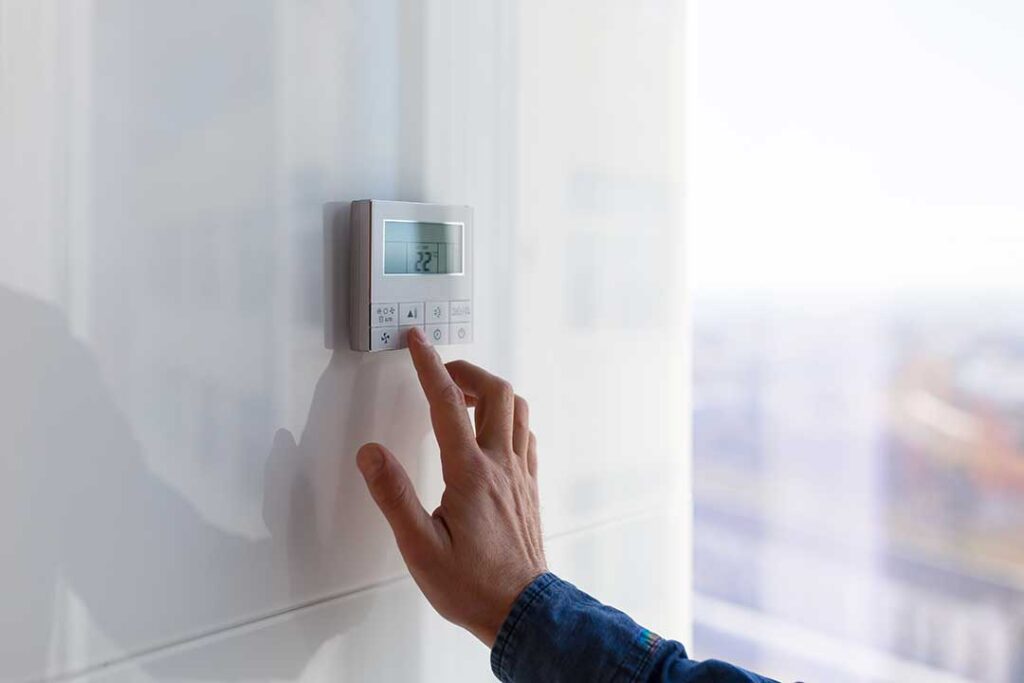
What Is a Programmable Thermostat and How Does It Work?
A programmable thermostat allows residents in Danbury, CT to automatically adjust the temperature of their home throughout the day according to preset schedules. Unlike traditional manual models, programmable thermostats can be set to lower heating or cooling when the house is empty or everyone is asleep, and restore comfortable settings just before residents return or wake up.
The main feature is its timer and scheduling function, which can be customized by day, time, and sometimes even specific rooms if zoning systems are in place. Most models are easy to operate, offering backlit screens and clear menus. Some integrate with smartphones or voice assistants, but basic temperature schedule adjustments remain the core benefit.
Do Programmable Thermostats Help Lower Utility Bills?
Yes, a major advantage is the potential to reduce energy use and utility costs. Homeowners in the city frequently ask if these savings are substantial—especially with bills that often spike during freezing January nights or muggy July afternoons.
Programmable thermostats avoid the common habit of forgetting to adjust the heat or AC before leaving for work or going to bed. By pre-setting setbacks—like dropping the temperature 7-10 degrees at night in winter or raising it while away in summer—households can use less fuel or electricity over time. For many local homes, this translates to measurable annual savings. Exact figures depend on home insulation, system efficiency, and residents’ habits, but the Department of Energy estimates savings of 10% per year on heating and cooling costs are realistic for well-managed schedules.
How Can These Devices Improve Comfort During Local Seasonal Changes?
Programmable thermostats optimize comfort by aligning temperature changes with daily routines common in Danbury households. During unpredictable shoulder seasons, locals often wake to chilly mornings and return in the evening to warmer indoor temps. These devices allow for gradual ramp-ups or cool-downs, so the living space feels comfortable without waste:
- Heat can begin to rise before the first alarm.
- Cooling starts just before the household typically arrives home on a humid afternoon.
- Temperature can be set lower or higher only during sleeping hours or school/work hours, improving rest and comfort without overworking systems.
Responsive comfort is especially valued during the region’s frequent spring and autumn swings, when manual adjustments prove less effective.
Can Programmable Thermostats Extend The Life of Heating and Cooling Equipment?
Automatic scheduling can reduce the number of times a system turns on and off throughout the day, which lessens wear and tear on furnaces, air conditioners, and heat pumps. By eliminating unnecessary heating and cooling cycles caused by forgetting to adjust the thermostat, these devices support longer service life for major home systems. This is particularly meaningful in older homes found throughout the area, where original equipment replacement costs can be significant.
Are Programmable Thermostats Difficult to Use for Most Residents?
Most newer models are user-friendly, but some homeowners worry about complicated setup or confusing interfaces. Manufacturers have responded to such concerns by focusing on simple, step-by-step menus and clear labeling of schedules for weekdays, weekends, and holidays. People who have upgraded often report that after an initial adjustment period, everyday use is straightforward.
Tips to avoid common frustrations include:
- Reading the included quick-start guide before setting schedules
- Starting with a simple weekday/weekend plan and refining over time
- Labeling programs with names (“morning,” “away,” “evening,” “sleep”) for clarity

For multi-generational households where preferences or technical comfort levels vary, choosing a thermostat with physical buttons and clear screens (rather than relying solely on touchscreens or apps) can be helpful.
What Are Some Overlooked Advantages Beyond Energy Savings?
Along with cost savings and comfort, programmable thermostats offer practical benefits that can be easy to overlook:
- Consistency: Children, older adults, or guests experience stable indoor conditions regardless of who remembers to adjust the system.
- Reduced environmental impact: By only running heating and cooling when needed, area households help lower greenhouse gas emissions—as many local residents seek to do.
- Vacation and travel schedules: Settings can be tailored for trips, so the system uses minimal energy while the house is empty but returns to comfort before anyone walks through the door.
- Integration with zoning systems: In homes with more advanced HVAC setups, different parts of the house can run on separate schedules.
Common misconceptions—such as the idea that setting a schedule “works only if you’re out of the house all day”—are largely outdated, as modern thermostats allow fine-tuned control even for households with irregular routines.
Are There Situations Where a Programmable Model Might Not Be a Good Fit?
Generally, programmable thermostats offer clear benefits. However, certain types of heating—such as radiant floor systems or homes heated with wood stoves—may require different control strategies due to slow temperature response. Also, renters or those in short-term living situations may have limited ability to change the thermostat due to lease terms or existing equipment compatibility.
Residents who spend most of their time at home, or whose schedules shift unpredictably, may prefer newer “smart” models that learn habits automatically or allow for remote adjustments—but even basic programmable options can still bring benefits by reducing forgotten manual changes.