

 See My Latest Article on HelloNation
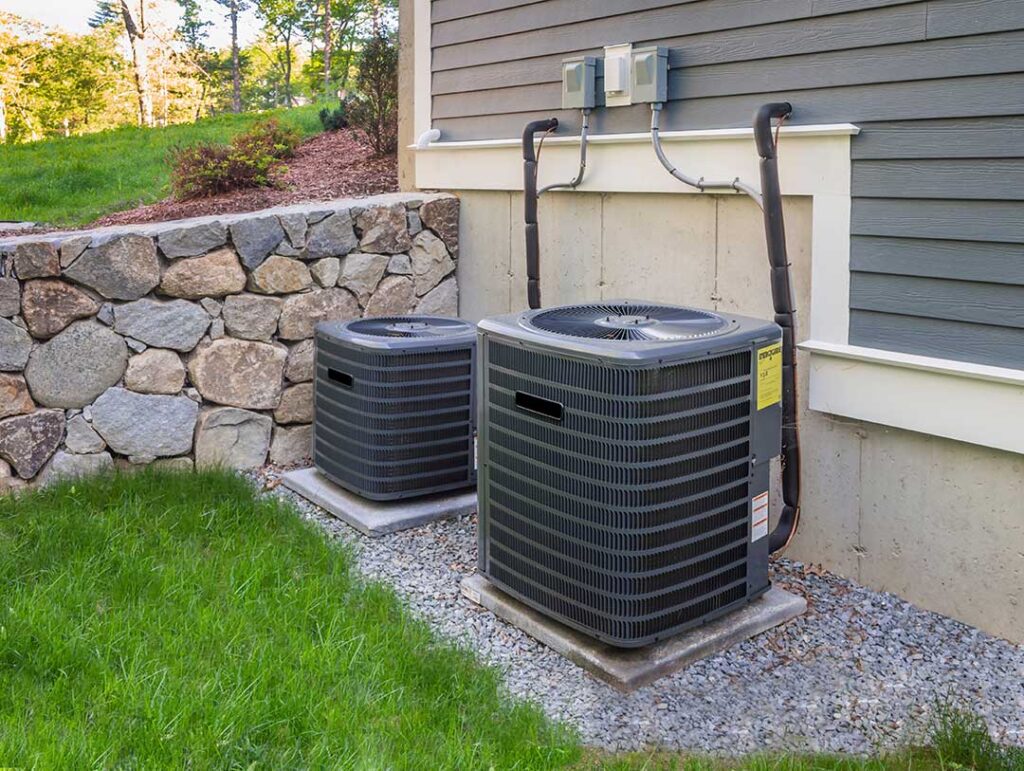
Carbon monoxide (CO) cannot be seen, smelled, or tasted. The only dependable way to detect it inside a home is with a working carbon monoxide alarm or monitor. Symptoms and household clues can suggest a problem, but they should never replace an alarm. ([cdc.gov](https://www.cdc.gov/carbon-monoxide/about/index.html?utm_source=openai))
What is carbon monoxide, and where does it come from?
Carbon monoxide is a poisonous gas produced when fuels do not burn completely. Common household sources include:
- Gas, oil, propane, kerosene, coal, or wood-burning furnaces and boilers
- Water heaters, fireplaces, and wood stoves
- Gas ranges and ovens
- Portable generators
- Charcoal grills
- Cars or other gasoline-powered equipment operating near the home
In Danbury, CT, the risk deserves particular attention during the heating season, when furnaces, boilers, fireplaces, and backup power equipment may run for long periods. Winter storms and power outages can also lead people to use generators, grills, or outdoor heating equipment improperly.
An attached garage can create a risk even when the vehicle is not inside the living space. Exhaust gases can enter through connecting doors, cracks, or ventilation pathways. An all-electric home can still be exposed through a vehicle, generator, or charcoal-burning device.
How can you tell if carbon monoxide is present?
You usually cannot detect CO with your senses. A working CO alarm is the primary warning device. Some digital alarms also display the highest detected concentration, but a reading of zero does not eliminate the need for regular testing and maintenance. ([cdc.gov](https://www.cdc.gov/carbon-monoxide/about/index.html?utm_source=openai))
Possible warning signs include:
- A CO alarm sounds or announces a high reading
- Several people in the home develop headaches, dizziness, weakness, nausea, or unusual fatigue at about the same time
- Symptoms improve after leaving the home and return after coming back
- A furnace, boiler, fireplace, or water heater is producing soot, rust, or unusual staining
- A fuel-burning appliance is running continuously, failing to heat properly, or behaving differently than usual
- Moisture or condensation appears around windows near an appliance or vent
- A vent, flue, or chimney appears blocked, damaged, disconnected, or improperly fitted
These clues are not a way to measure CO. For example, CO itself has no odor. A smell from a heating appliance may indicate another combustion or ventilation problem, but the absence of an odor does not mean the air is safe.
What should you do if a carbon monoxide alarm sounds?
Treat every CO alarm as a real emergency until emergency responders determine otherwise.
1. Leave the building immediately. Take people and pets with you if it can be done without delaying evacuation.
2. Move to fresh air outdoors, away from the building.
3. Call 911 from outside or from another safe location.
4. Do not re-enter until emergency responders say it is safe.
5. If anyone has symptoms, tell emergency dispatchers and seek medical evaluation.
Do not stay inside to search for the source, silence the alarm, open windows, or troubleshoot the furnace. Ventilation may reduce the reading temporarily while the source remains active. Do not assume that a second alarm, a quiet alarm, or a lack of symptoms means the danger has passed. ([cpsc.gov](https://www.cpsc.gov/safety-education/safety-education-centers/carbon-monoxide-information-center/protect-your-family-from-carbon-monoxide-poisoning–?utm_source=openai))
What are the symptoms of carbon monoxide poisoning?
Early symptoms can resemble the flu, often without a fever. They include headache, dizziness, weakness, tiredness, nausea, vomiting, shortness of breath, and confusion. More serious exposure can cause chest pain, loss of coordination, altered mental status, loss of consciousness, or death. ([cdc.gov](https://www.cdc.gov/carbon-monoxide/about/index.html?utm_source=openai))
Children, older adults, pregnant people, and anyone with heart, lung, or blood-related conditions may be more vulnerable. Sleeping people may be overcome before they recognize symptoms. If several occupants feel ill at once, especially while a fuel-burning appliance is operating, leave immediately and report the suspected CO exposure.
Where should CO alarms be installed?
The Consumer Product Safety Commission recommends CO alarms on every level of the home and outside sleeping areas. Connecticut building provisions generally place alarms outside sleeping areas and on each additional habitable level when a dwelling contains a fuel-burning appliance, fireplace, or attached garage. Requirements can differ by building type, construction date, and renovation status, so the applicable code should be verified for a particular property. ([cpsc.gov](https://www.cpsc.gov/safety-education/neighborhood-safety-network/toolkits/carbon-monoxide-invisible-killer?utm_source=openai))
For practical coverage:
- Place an alarm in the hallway immediately outside bedrooms.
- Install one on each level where people spend time.
- Follow the manufacturer’s instructions for height, distance from appliances, and proximity to doors or windows.
- Do not place alarms in garages, attics, or unfinished areas unless the instructions specifically allow it or the area contains a sleeping space.
- Consider interconnected alarms so one alarm activates the others.
- Use battery-operated alarms or models with battery backup during power outages.
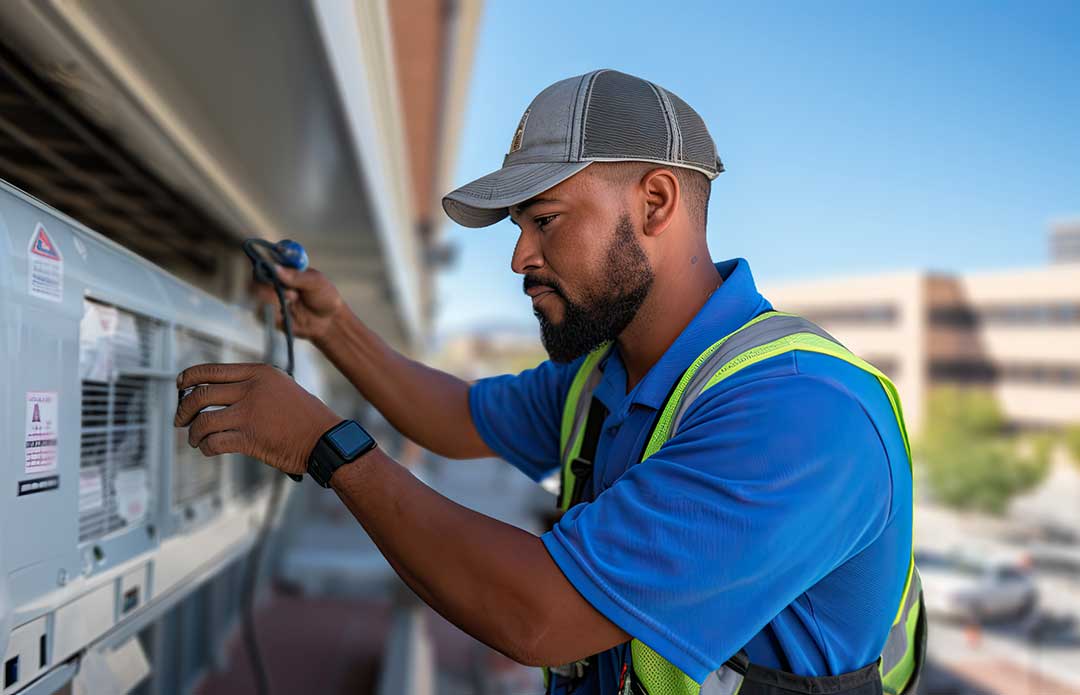
A smoke alarm and a CO alarm perform different jobs. A smoke alarm does not reliably detect carbon monoxide unless it is specifically designed and labeled as a combination smoke-and-CO alarm.
How often should carbon monoxide alarms be tested?
Test alarms monthly using the test button. Replace batteries according to the manufacturer’s instructions; the CPSC recommends replacing standard alarm batteries at least annually. Many alarms also have a replacement date, commonly around five to ten years depending on the model. The manufacturer’s instructions control. ([cdc.gov](https://www.cdc.gov/carbon-monoxide/about/index.html?utm_source=openai))
A chirping alarm may indicate a low battery, malfunction, or expired sensor. It should not automatically be treated as a nuisance. Replace the battery first if appropriate, but replace the alarm when its service life has ended or if it continues to chirp.
How can heating-related CO problems be prevented?
Fuel-burning heating systems, chimneys, flues, and vents should be inspected and serviced annually by a qualified technician. This is especially useful before the heating season, when equipment may operate continuously after sitting unused during warmer months. ([cpsc.gov](https://www.cpsc.gov/Safety-Education/Safety-Education-Centers/Carbon-Monoxide-Information-Center/Home-Heating-Equipment?utm_source=openai))
Residents should also:
- Keep furnace, boiler, water-heater, and fireplace vents clear.
- Never block combustion-air openings.
- Never use a gas oven or range to heat the home.
- Never burn charcoal indoors, including inside a garage, basement, porch, or enclosed area.
- Operate portable generators outdoors at least 20 feet from the home, windows, doors, and vents, with exhaust directed away from the building.
- Never run a vehicle in an attached garage, even with the garage door open.
- Arrange for damaged, rusted, disconnected, or soot-covered equipment to be evaluated before continued use.
Carbon monoxide prevention depends on two layers of protection: properly installed and maintained fuel-burning equipment, plus working alarms throughout the home. An alarm provides warning; it does not correct a blocked vent, failed appliance, or unsafe generator location.