

 See My Latest Article on HelloNation
Why Does Regular HVAC Maintenance Matter?
Routine maintenance helps local homeowners keep heating and cooling systems working efficiently and dependably. In the Danbury, CT area, where winters can be cold and summers occasionally humid, small steps can support comfort year-round. Ignoring maintenance often leads to higher energy bills and unexpected breakdowns, especially when outdoor temperatures are at their extreme.
How Often Should Homeowners Check Their HVAC Systems?
Most basic tasks can be done seasonally, with a few monthly habits for best results. Filters and outdoor units need regular attention throughout the year. Danbury’s seasonal changes mean it’s wise to perform a basic inspection in the fall before the heating season and again in the spring before cooling becomes essential.
What Filter Maintenance Can Residents Perform Themselves?
Regular filter changes are among the simplest, most effective tasks for homeowners. Every forced-air HVAC system uses a filter to trap dust, allergens, and debris. When these become clogged, systems run harder, increasing energy use and wear.
- Most filters should be checked every one to three months
- Replace filters with the same size and type the system requires
- Homes with pets, smokers, or significant dust may benefit from more frequent changes
A common misconception: a filter that looks “not too bad” may still be limiting airflow.
Can Homeowners Safely Clean Vents and Registers?
Cleaning dust and pet hair from supply and return vents is safe and effective for most residents. Use a vacuum with a brush attachment or a damp cloth to wipe down vent covers. For wall or ceiling registers, it’s usually simple to remove the cover for deeper cleaning if necessary.
Blocked or dusty registers can reduce airflow. This can lead to uneven heating and cooling in different rooms—an issue some Danbury houses, especially older ones, occasionally develop.
Should the Outdoor Unit Be Cleared?
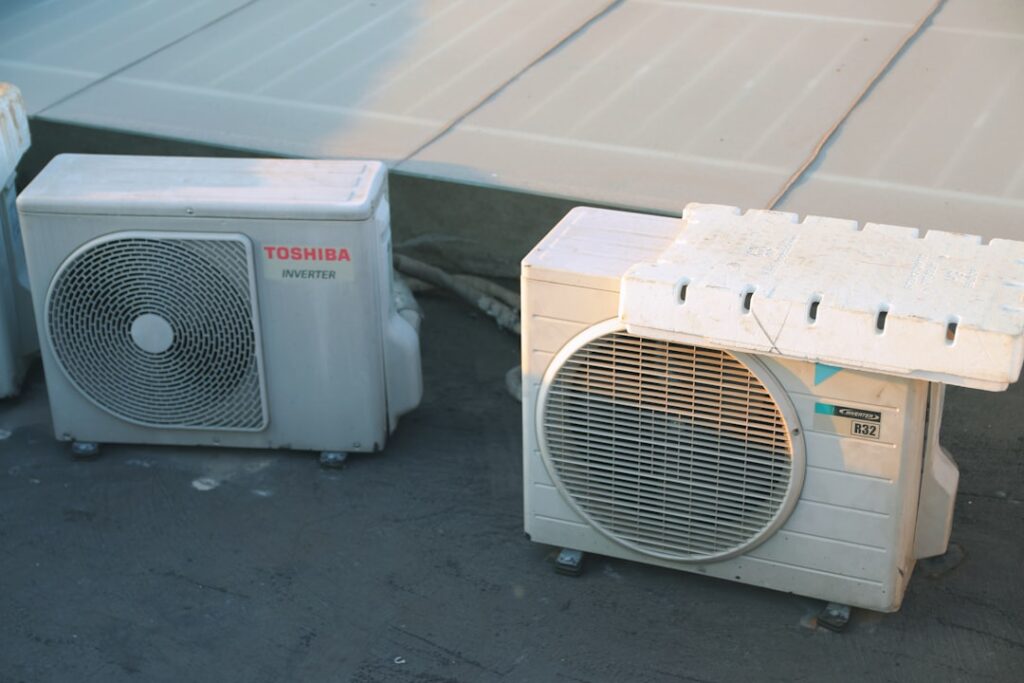
It’s helpful to keep the condenser (the outdoor unit of a central AC or heat pump) clear of debris, especially after the fall leaf drop or strong storms.
- Remove leaves, sticks, or grass clippings from around the unit
- Ensure about 2 feet of clearance on all sides
- After winter, check for nests or signs of animal activity
Avoid sticking a hose or sharp object inside the fins. Instead, use gentle water spray from above and a soft brush for any visible debris.
How Does Thermostat Adjustment Improve Efficiency?
Checking and adjusting the thermostat is a quick way to save energy. Programmable or smart thermostats make it easier to set different temperatures for day and night or when the home is unoccupied. Residents can lower heating settings in winter and raise cooling settings in summer by a few degrees without sacrificing comfort.
Local households often forget to change thermostat schedules after daylight saving time begins or ends, missing opportunities for savings.
Are There DIY Steps to Improve Airflow and Comfort?
Small changes can make a noticeable difference. Residents can:
- Check that furniture and curtains do not block vents or baseboards
- Open vents in frequently used rooms and close them only where truly needed (some systems heat or cool unevenly if too many vents are closed)
- If some rooms remain stuffy, verify that interior doors remain open for better air circulation—many Danbury homes have layouts where closed doors restrict movement of heated or cooled air

What Preventive Checks Help Avoid Mid-Season Surprises?
A visual inspection can catch small problems before they become disruptive. Even without technical expertise, residents can:
- Look for leaks around HVAC equipment—water or refrigerant leaks are warning signs
- Listen for new noises when equipment cycles on or off (rattling, squealing, or grinding can suggest developing issues)
- Detect unusual odors, such as burning or musty smells, which may need closer attention
If an electrical issue, gas smell, or refrigerant leak is suspected, stop using the system and review the home’s safety procedures.
Are There Seasonal Tasks Unique to the Danbury Climate?
Danbury’s distinct seasons mean certain chores are especially useful. Before winter, check that outdoor vents (such as those for high-efficiency furnaces or heat pumps) are unobstructed by snow or ice. In early spring, clear remaining salt, sand, or debris from the outdoor unit’s base and ensure regional pollen hasn’t collected on vents or grilles inside the home.
Humidity shifts in late summer and early autumn sometimes require adjusting thermostat humidity controls or using dehumidifiers, especially in basements that can become damp.
What DIY Steps are Not Recommended for Most Homeowners?
While many HVAC tasks are safe for residents, some jobs are better left to those with technical training or certification for safety and system warranty reasons. These include:
- Opening sealed panels or handling coolant or gas lines
- Electrical repairs or modifying wiring
- Major duct cleaning (beyond visible registers)
- Adjusting system components not described in the owner’s manual
Danbury area codes and regulations may also require permits or inspections for certain system changes.