

 See My Latest Article on HelloNation
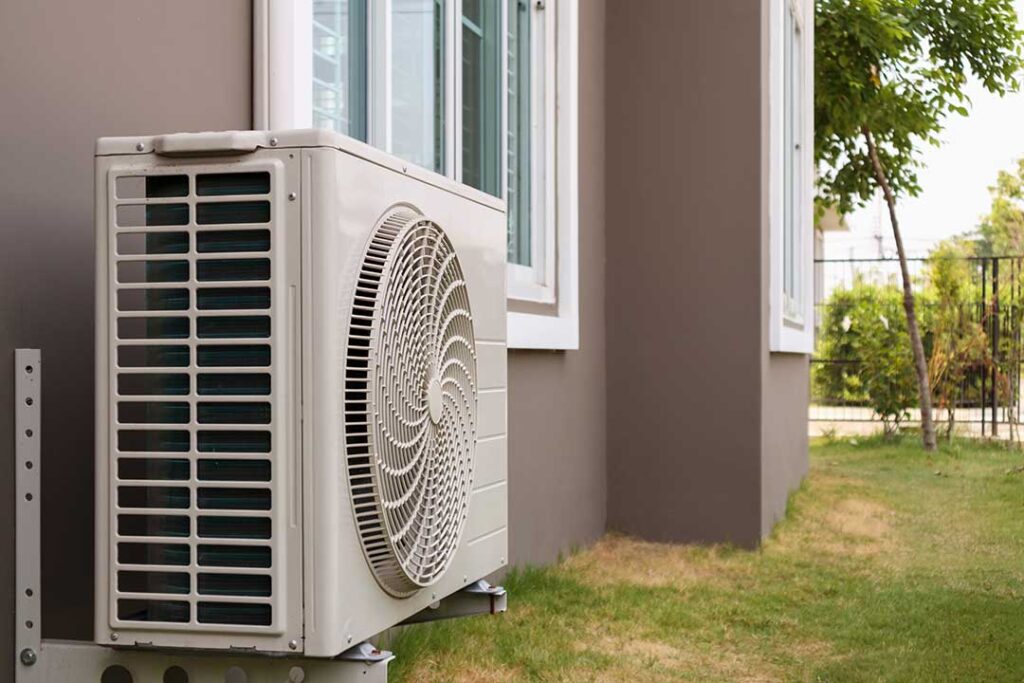
Why Do Furnaces Need Special Attention Before Winter?
Even reliable home heating systems benefit from careful preparation before the colder months set in. Furnaces in Danbury, CT see extended use from late fall through early spring, often operating for hours each day to keep homes comfortable. Proactive maintenance not only helps extend the system’s lifespan, but it can also reduce the risk of mid-season breakdowns and improve efficiency—meaning lower energy bills during peak usage periods.
The region’s combination of freezing nights, occasional wet snow, and fluctuating temperatures means area residents depend on their furnaces being ready when cold snaps arrive. Overlooking even small tasks in the fall can lead to chilly surprises or unnecessary repairs when the system is needed most.
What Are the Basic Steps to Prepare a Furnace for Winter?
Preparing a furnace for cold weather involves a series of practical, homeowner-friendly steps paired with a few checks best left to technicians for safety reasons. For most households, essential tasks include:
- Replacing or cleaning furnace air filters
- Checking the thermostat function and settings
- Clearing space around furnace and vents
- Listening and looking for irregularities when the system starts up
- Reviewing carbon monoxide and smoke detector status
Addressing these basics before temperatures drop can help Danbury households avoid unexpected issues in the winter rush.
How Often Should Air Filters Be Changed?
Air filters should be checked every 1–3 months, with more frequent inspections during periods of heavy use. During the winter, air inside homes tends to circulate more slowly due to closed windows and doors, increasing dust and airborne particles. A clogged filter strains the furnace and reduces air quality.
In multi-story or older homes typical of the area, filters may need even more frequent replacement due to larger air volumes and older ductwork. Most filters are easy to access from the furnace’s exterior and slide out for cleaning or replacement. For allergy-sensitive households, high-efficiency filters are often a worthwhile investment, though they may also require more frequent changes.
What Should Be Checked Before Turning the Furnace On for the Season?
Before restarting a furnace for the season, it’s wise to:
- Make sure that all furnace panels and access doors are secure and free from dust or debris.
- Ensure that the area around the furnace is clear of storage boxes, paint cans, or any flammable materials. Clutter restricts airflow and can be a fire hazard.
- Open and clean heat vents and registers throughout the house. Blocked or dusty vents reduce system performance and may cause uneven heating.
Mattress covers, curtains, and furniture can shift during warmer months—double-check that no vents are covered or blocked as part of your seasonal routine.
What Are Signs of a Problem During the First Furnace Run?
The first time the furnace runs in the fall, observe both sound and smell:
- Temporary “burning dust” odor is normal and typically dissipates within an hour. Prolonged smells or smoke indicate a deeper issue.
- Unusual noises such as banging, rattling, or persistent squeaks signal mechanical problems or loose components.
- If the furnace repeatedly cycles on and off or fails to stay lit, underlying issues with the thermostat, ignition, or fuel supply should be addressed before winter sets in.
- Yellow or flickering burner flames (instead of steady blue) can suggest incomplete combustion and may require technical inspection.
Residents should always leave gas and electrical components undisturbed unless they have relevant expertise. Suspicious odors, visible damage, or repeated ignition failures warrant prompt professional attention for safety.
How Can Thermostats Affect Winter Heating?
Thermostats play a central role in both comfort and efficiency. Before heating season, run a quick check to confirm:
- The thermostat responds to room temperature changes and triggers the furnace appropriately.
- Programmable thermostats are set correctly for the household’s winter schedule, reducing heating costs when the house is empty or residents are asleep.
- Batteries are fresh in wireless or battery-powered thermostats.
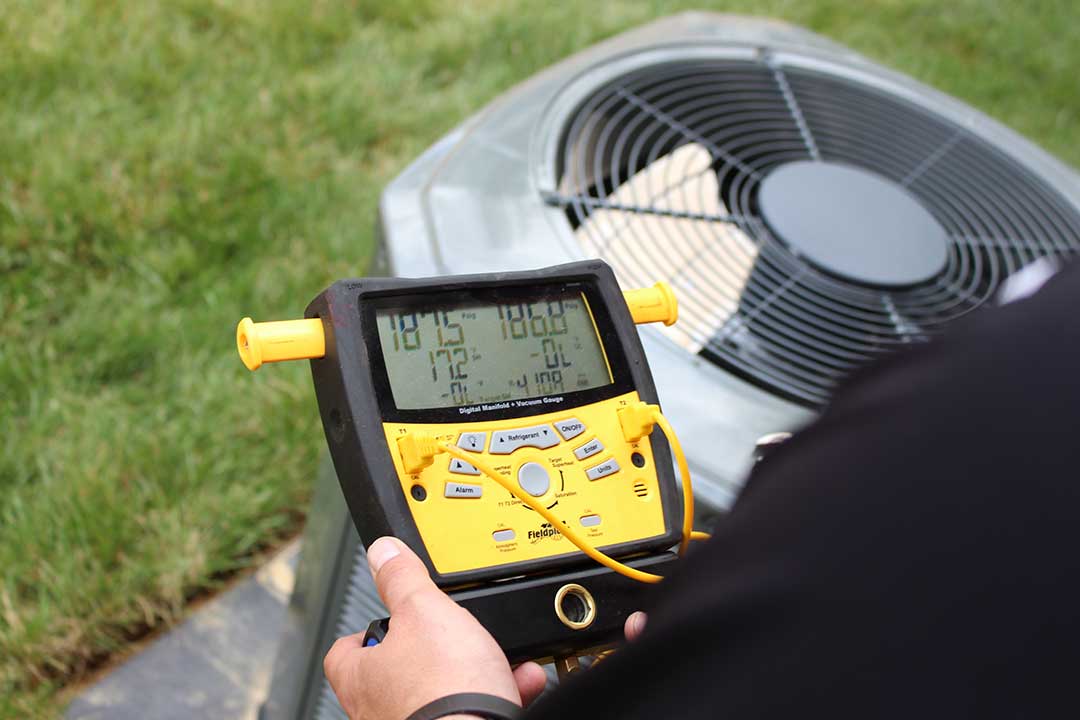
In some of Danbury’s older homes, old or malfunctioning thermostats can result in uneven heating and increased energy use. Consider upgrading to a programmable or smart thermostat if the current unit lacks basic scheduling features.
Should Ductwork Be Inspected or Cleaned Before Winter?
Ducts carry warmed air throughout the house and can accumulate dust, pet hair, and even mold during seasons of disuse. While visible dust around vents can be wiped clean by residents, a visual inspection of accessible ductwork is wise. Pay special attention to:
- Signs of significant dust buildup or black streaks near supply and return grilles
- Noticeable drafts or sections of disconnected duct
- Musty odors or evidence of animal nests in basement or attic spaces
Full duct cleaning is not required every year, but persistent issues may justify a deeper look, particularly in older and larger homes typical in some parts of the city.
Why Is Carbon Monoxide Awareness Important for Furnace Safety?
Because home heating relies on combustion, safe furnace operation goes hand-in-hand with carbon monoxide (CO) awareness. Every household with a furnace should:
- Test carbon monoxide detectors and smoke alarms before the heating season begins.
- Replace device batteries annually; many detectors suggest replacement every 7–10 years.
- Never ignore a sounding alarm—move outside immediately and seek emergency assistance if necessary.
Danbury ordinances may require CO detection equipment in rentals and new construction, but all residents benefit from ensuring detectors are present and functional, regardless of home age.
Are There Any Local Concerns or Common Oversights?
Weather in the area brings high humidity and periods of snow or freezing rain, which can impact exterior venting and air intakes. After storms or as temperatures drop, double-check that vents are clear of snow, ice, or yard debris. Blocked exterior vents can impair furnace operation and allow dangerous gases to back up indoors.
Residents in homes with finished basements or additions should make sure registers in those areas function and aren’t inadvertently shut off. Zoning quirks and older construction can lead to cold spots or underheated rooms if airflow is not balanced.
Some community members overlook manufacturer-supplied furnace manuals, which often include useful annual and seasonal checklists tailored to their equipment.