

 See My Latest Article on HelloNation
Why Isn't the AC Cooling My Home?
A central or window AC struggling to cool is a common concern for households in Danbury during warm, humid summer spells. The most frequent causes involve airflow restrictions, thermostat missteps, dirty filters, or low refrigerant. Sometimes, local weather swings or outdated insulation can also play a role.
- Thermostat is set incorrectly: Double-check that it’s set to “cool” and the temperature is lower than room temperature.
- Power loss or tripped breakers: Inspect your electrical panel for flipped breakers after storms or outages.
- Blocked vents and registers: Ensure no furniture or curtains are hindering airflow from your supply and return registers.
Understanding these basic issues can save time and prevent unnecessary worry, especially during a heatwave.
What Can I Check Before Worrying About a Major Issue?
A few simple steps often reveal an easy-to-fix problem. Before assuming a large repair is needed:
- Check the air filter: A dirty filter restricts airflow, causing weak or warm air from vents. Most filters in the city’s typical central air setups should be checked monthly during peak season and replaced or cleaned as recommended.
- Inspect the outdoor unit: Leaves, grass clippings, or debris around the condenser can overheat the system. Clear at least two feet of space around the unit.
- Listen for unusual noises: Excessive rattling, buzzing, or squealing can suggest something as minor as a loose panel or as serious as a compressor issue.
Many local households overlook these steps, especially after a long winter storage period or during the first major heat spell.
Is Humidity a Factor in Cooling Performance?
Yes, humidity plays a significant role in how cool your home feels. Danbury's summer humidity can make interior temperatures feel warmer and affect AC efficiency.
When the system runs, it should pull moisture from the air. If you're noticing sticky air or a musty feeling, possible causes include:
- An undersized AC for your home’s square footage
- Short cycling, where the system turns on and off too quickly to remove enough moisture
- Clogged condensate drains, sometimes caused by infrequent seasonal maintenance
Elevated humidity is often mistaken for sub-par cooling, but may be a sign of another issue.
Could the Problem Be With the Thermostat?
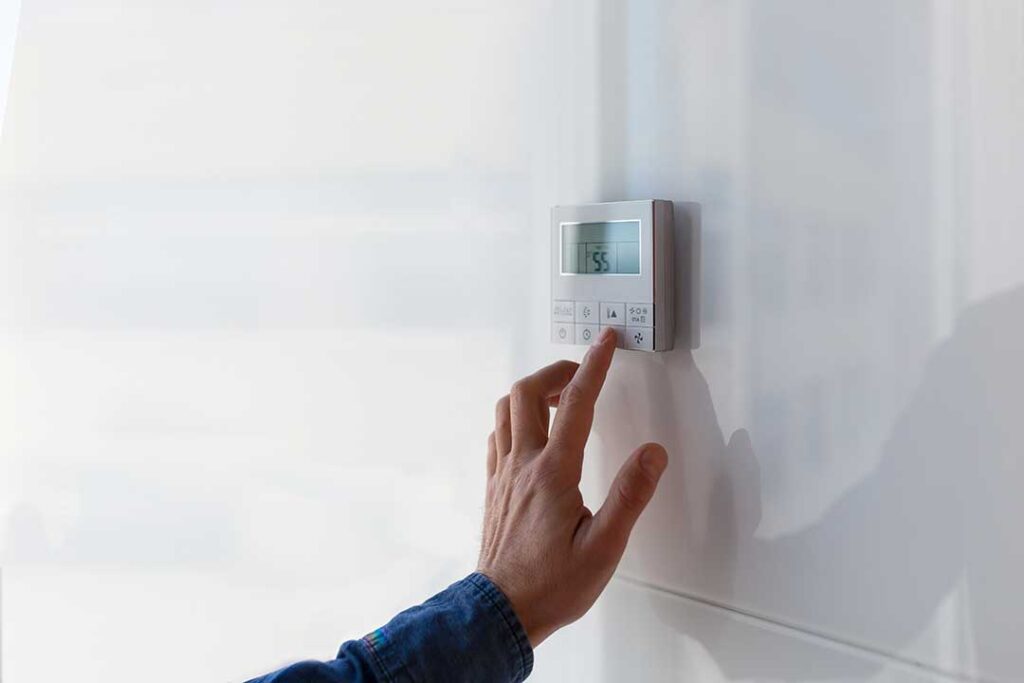
Thermostats can cause confusion, especially those with programmable or smart features. Ensure:
- The settings align with your current schedule (not set to “away” or “eco” mode during occupancy).
- The batteries (if applicable) are fresh.
- The location of the thermostat is not in direct sunlight or near heat-producing appliances, which can result in inaccurate readings.
Erroneous thermostat placement is a lesser-known issue in older homes and some multifamily residences, contributing to uneven cooling.
When Might Refrigerant or Internal Issues Be the Cause?
If no airflow blockages or settings issues are found, refrigerant or internal problems could be impacting your system.
Possible signs include:
- Ice buildup on the outdoor unit or refrigerant lines
- A hissing or bubbling noise near the AC
- Warm air blowing consistently, despite correct thermostat settings and a clean filter

These point to potential refrigerant leaks or compressor trouble. Handling refrigerants is regulated due to safety and environmental concerns—these situations may require a licensed professional.
Are There Preventive Habits That Help Maintain Cooling Performance?
Yes, regular habits make a difference for area households:
- Change or rinse filters based on your system’s recommendations.
- Vacuum indoor vents to prevent dust buildup.
- Keep the area around exterior AC units clear of branches, grass, or debris.
- Shade south- and west-facing windows to reduce solar heat gain; blinds or drapes can help significantly in homes with larger windows.
- During extreme heat, set your thermostat a few degrees higher and use ceiling fans to circulate cooled air more efficiently.
These steps extend the life and reliability of your system, reducing the likelihood of mid-season breakdowns.
What About Older Systems in the Community?
Many homes in Danbury, particularly those built before central air was common, use adapted window units or older central ACs. These systems may require more frequent attention—such as coil cleaning or updated insulation—due to decreased efficiency over time. If you notice consistent cooling problems every year, it could signal that age and wear are part of the issue.
When Is Professional Help Necessary?
Most basic air flow, filter, and thermostat issues are safe to check at home. However, seek qualified help if:
- There are burning smells or signs of electrical failure
- You see pooling refrigerant or ice on the system
- The breaker trips repeatedly when the AC starts
Local regulations and safety codes, especially regarding refrigerants and electrical work, mean some fixes exceed most residents’ safe DIY limits.